

Anxiety Counselling in Downtown Vancouver
A calmer space for anxious thoughts
Does your mind keep going long after you want it to stop? You may replay conversations, prepare for every possible outcome, second-guess decisions, worry about disappointing people, or find it difficult to relax even when nothing urgent is happening.
I offer anxiety and overthinking counselling for adults from my Downtown Vancouver office near Gastown and Waterfront Station, as well as online throughout British Columbia.
When Anxiety Starts Taking Up Too Much Space
Anxiety does not always look like panic. Sometimes it looks like being prepared, responsible, productive, careful, or good at anticipating what everyone else needs. Underneath that, you may feel exhausted from constantly thinking ahead.

Your mind will not slow down
You replay conversations, plan for every possible outcome, or second-guess yourself.

Your body feels on alert
You feel tense, restless, tired, panicky, or unable to fully relax.

Everything feels like too much
Small things feel harder than they used to, and rest does not feel restorative.

You are avoiding more than usual
You put off decisions, messages, tasks, or conversations because they feel overwhelming.
Why Overthinking Can Feel So Hard to Stop
Overthinking often begins as an attempt to create safety or certainty.
If you think through every possibility, maybe you can avoid making a mistake. If you replay a conversation, maybe you can understand what someone really meant. If you prepare enough, perhaps nothing will catch you off guard.
The problem is that uncertainty cannot always be solved by thinking harder. Counselling can help you notice when thinking is helping you problem-solve and when it has turned into a loop that leaves you feeling more anxious.
Calm the noise, ease overwhelm, and feel more like yourself again with compassionate, trauma-informed support.
A trauma-informed approach to anxiety counselling
My approach is collaborative, compassionate, and grounded in the understanding that anxiety often makes sense in context.
Counselling can help you explore what your nervous system has learned, what patterns may be keeping anxiety active, and what kinds of support may help you feel more grounded.
-
Explore what anxiety looks like for you and what may be keeping it going.
-
Develop strategies for worry, overwhelm, physical tension, and stress.
-
Learn ways to feel more grounded, regulated, and present.
-
Understand anxiety in relation to your experiences, identity, relationships, and environment.
How Anxiety Counselling Can Help
Understanding patterns of overthinking, worry, or avoidance
Anxiety counselling may support you with:
Managing stress, emotional overwhelm, and racing thoughts
Building grounding tools and nervous system regulation strategies
Navigating work stress, relationships, motherhood, identity, or life transitions
Exploring how past experiences may be connected to present-day anxiety
Reducing self-criticism and strengthening self-compassion
Creating more space between anxious thoughts and how you respond to them
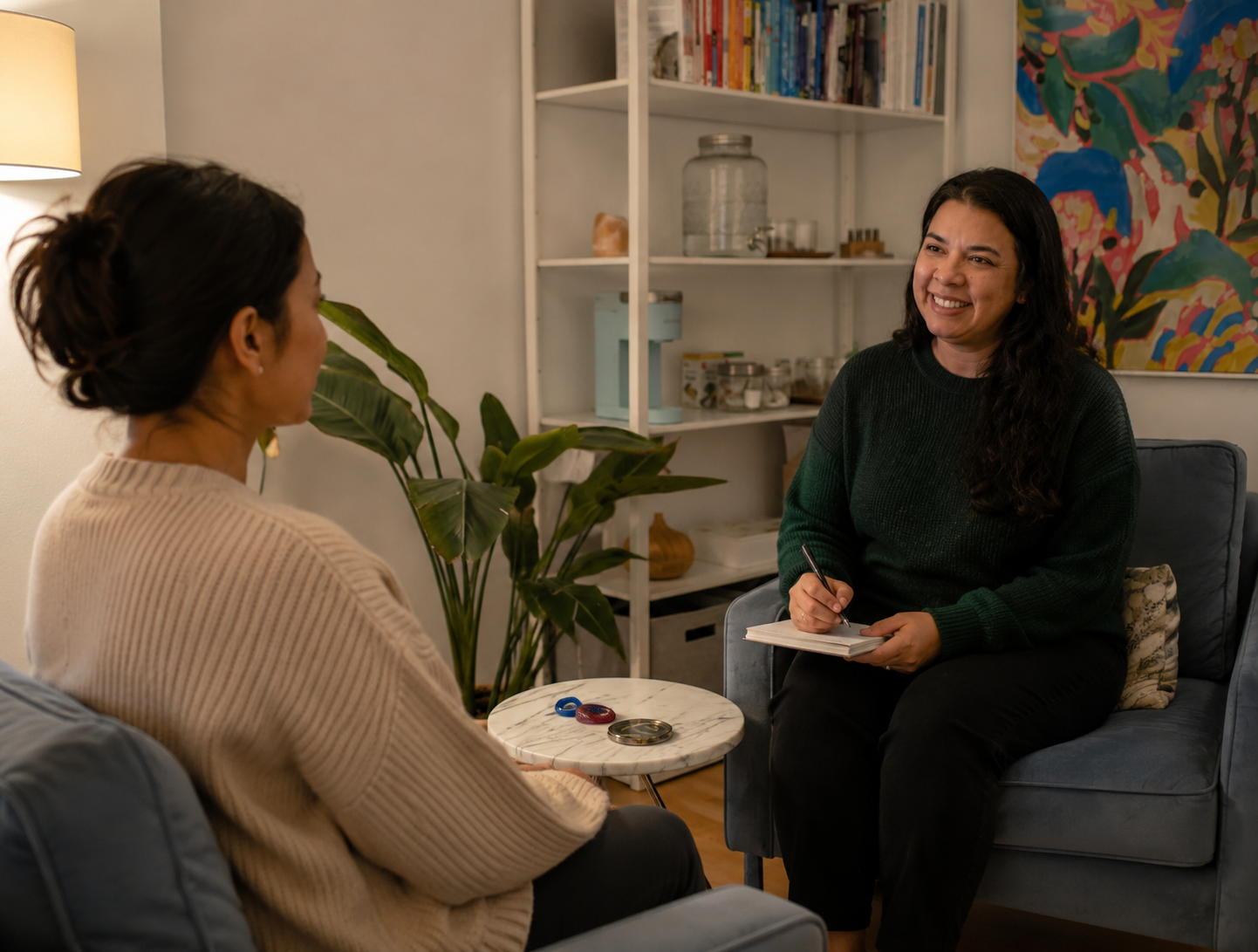

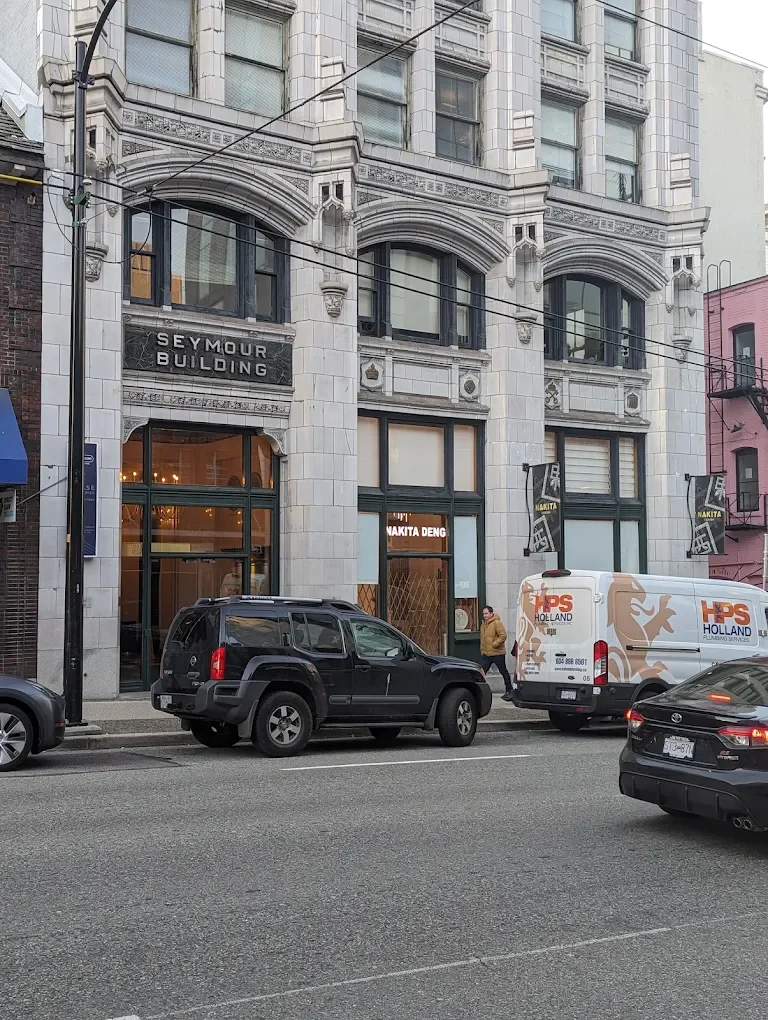
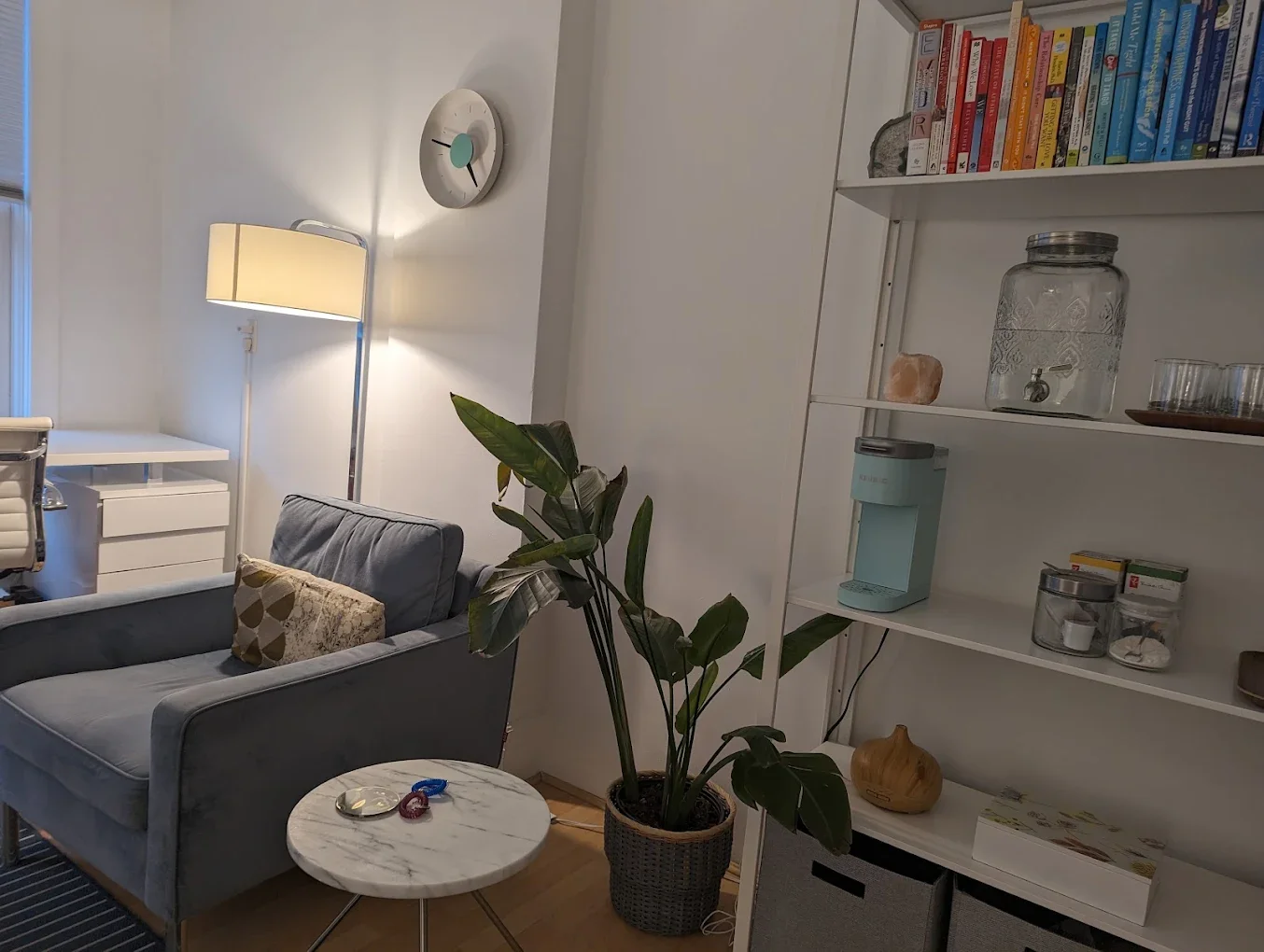
I offer in-person counselling from my office at 525 Seymour Street, Suite 214 in Downtown Vancouver, close to Gastown and Waterfront Station.
Online counselling is also available for adults throughout British Columbia.
Anxiety Counselling near Waterfront Station
In-person counselling
525 Seymour Street, Suite 214
Vancouver, BC
Online counselling
Offered through a secure online platform
50-minute session: $160 + GST . Please ask me about other session lengths
Rate

Why work with me?
I am a Registered Clinical Counsellor (RCC) and Canadian Certified Counsellor (CCC), and a member in good standing with the BC Association of Clinical Counsellors (BCACC) and the Canadian Counselling and Psychotherapy Association (CCPA).
Direct billing may be available for some extended health benefit plans. Please ask me about direct billing options when booking or before your session.
My approach is trauma-informed, collaborative, and shaped around what feels supportive for you. Together, we can explore anxiety, emotional overwhelm, stress other experiences at a pace that feels respectful and manageable
I aim to offer a counselling space that considers identity, culture, power, lived experience, and the systems that may shape how you move through the world.
You Do Not Have to Carry This Alone
Anxiety can make life feel smaller, heavier, or harder to enjoy. But support is available, and you do not have to figure everything out by yourself. If you are feeling overwhelmed by worry, overthinking, stress, or emotional exhaustion, I would be happy to connect with you.
Frequently Asked Questions About Anxiety & Overthinking
-
Anxiety counselling offers a supportive space to explore worry, overthinking, stress, emotional overwhelm, and the patterns that may be keeping you feeling stuck. In our work together, we can look at what anxiety feels like for you and what kind of support may help you feel more grounded.
-
Yes. Counselling can help you better understand patterns of overthinking, build tools to manage racing thoughts, and create more space between anxious thoughts and how you respond to them.
-
No. You do not need a formal diagnosis to begin counselling. Many people seek support because worry, stress, overthinking, panic, or emotional overwhelm are affecting their quality of life.
-
Yes. I offer online counselling for adults throughout British Columbia.
However, I primarily welcomes clients for in-person counselling in Downtown Vancouver, where sessions can take place in a calm, private, and supportive office setting.
-
That is very common. You do not need to know exactly what to say. The first consultation is simply a chance to ask questions, share what you are looking for, and see if working together feels like a good fit.
-
Replaying conversations can sometimes be an attempt to look for certainty, reassurance, or evidence that you did something wrong. It can be especially common when anxiety, self-doubt, perfectionism, or fear of disappointing other people is present.
-
Overthinking can be associated with anxiety, particularly when thoughts repeatedly focus on mistakes, uncertainty, possible problems, or what might happen next. Occasional overthinking is common. It may be worth seeking support when it begins affecting your sleep, relationships, decisions, or ability to enjoy daily life.